
Navigating the labyrinthine world of electronic circuits, the role of flat wire vertically wound inductors in upholding device stability and performance is paramount. Rapid and precise fault detection in these components stands as a cornerstone in the realm of electronic equipment maintenance. This exploration delves into the common signs of damage in such inductors, unraveling the intricacies of their diagnosis and remediation.
The onset of failure often manifests as erratic equipment behavior. When devices start acting up unexpectedly, particularly after external factors like power supply fluctuations are eliminated, the inductor in the circuit emerges as a prime suspect. A damaged flat wire, coiled vertically around an inductor, has the potential to interrupt the flow of current, leading to unpredictable device responses.
These inductors are instrumental in regulating energy through their capacity to store and release it. Compromises to this crucial function can drastically impact device efficiency. A noticeable plummet in performance, thus, signals potential inductor failure.
Overheating enters the fray as another critical indicator. Inefficient energy conversion within a flawed inductor can culminate in heat accumulation. This escalation not only impairs the inductor's function but also raises the specter of thermal harm to neighboring electronic components. Consequently, unusual heating in a device is a significant diagnostic clue.
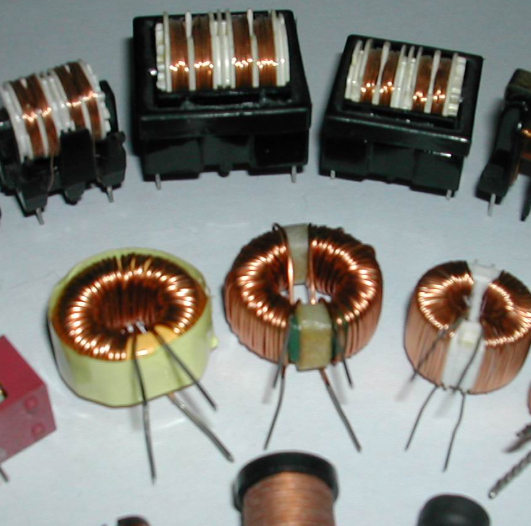
Moreover, compromised inductors may precipitate short circuits or leakage currents. Such internal impairments can disrupt electrical flow, possibly ushering in safety hazards, including the risk of fires. Encountering erratic operation, diminished efficiency, excessive heat, or circuit dilemmas necessitates an immediate inspection of the inductor.
Discovering a damaged flat wire vertical wound inductor calls for its prompt replacement to guarantee the ongoing safety and stability of the equipment. Recognizing and addressing these failures swiftly and accurately is crucial for ensuring the long-term reliability of electronic devices.